


-

Add: HeBei ShengShi HongBang Cellulose Technology CO.,LTD.
-

Email
13180486930@163.com -

CONTACT US
+86 13180486930
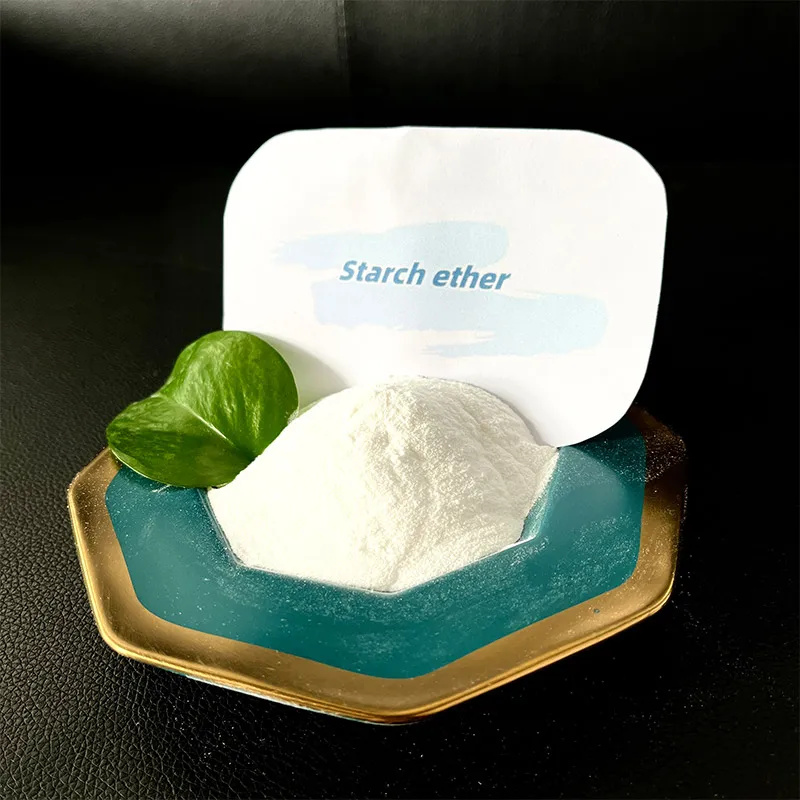



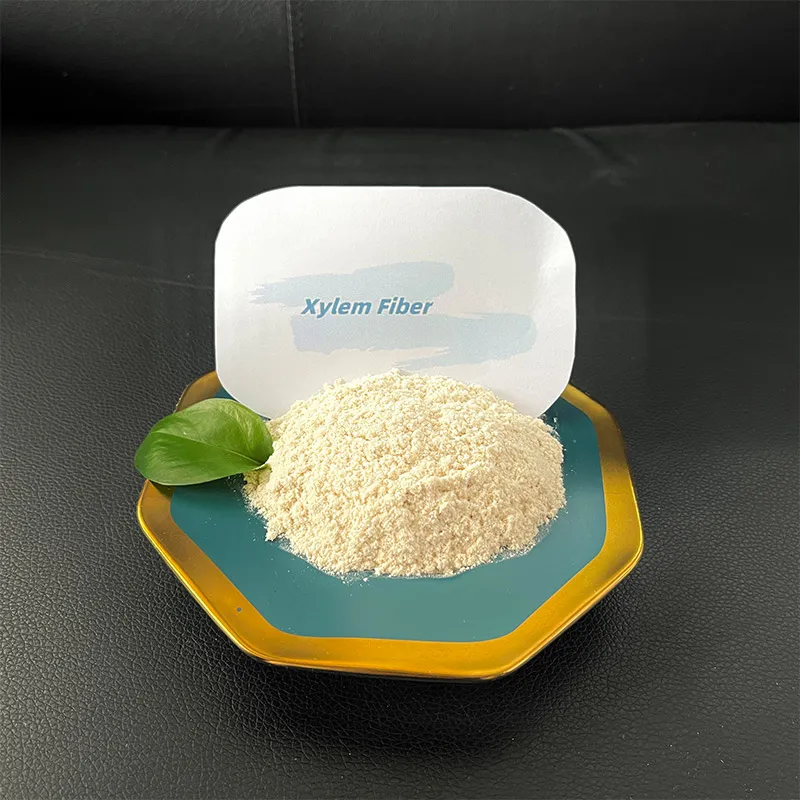
wood cellulose,xylem fiber,fibre made from wood pulp,cellulose extraction from wood,cellulose wood fibers is a key solution in the manufacturing industry, specifically within Paper and paper products industry and Pulp manufacturing. This article explores how HeBei ShengShi HongBang Cellulose Technology CO.,LTD. supports professionals with durable, high-performance products, and explains why this product is an ideal choice for businesses in these sectors. Table of Contents wood cellulose,xylem fiber,fibre made from wood pulp,cellulose extraction from wood,cellulose wood fibers Overview Benefits & Use Cases of wood cellulose,xylem fiber,fibre made from wood pulp,cellulose extraction from wood,cellulose wood fibers in Pulp manufacturing Cost, Maintenance & User Experience Sustainability & Market Trends in manufacturing Conclusion on wood cellulose,xylem fiber,fibre made from wood pulp,cellulose extraction from wood,cellulose wood fibers from HeBei ShengShi HongBang Cellulose Technology CO.,LTD. wood cellulose,xylem fiber,fibre made from wood pulp,cellulose extraction from wood,cellulose wood fibers Overview In pulp manufacturing, wood cellulose—often described as xylem fiber or cellulose wood fibers—forms the backbone of paper strength, formation, and runnability. As a fibre made from wood pulp, it is derived through controlled cellulose extraction from wood, typically via kraft or sulfite pulping, followed by mechanical refining, classification, and optional surface modification. The result is a clean, consistent fiber matrix engineered to optimize dry and wet strength, drainage, and filler retention across a wide range of grades. HeBei ShengShi HongBang Cellulose Technology CO.,LTD. supplies high-purity wood cellulose designed for industrial reliability and reproducibility. Typical technical parameters can include low ash content, neutral pH, controlled moisture, and tightly managed fiber length distribution to balance bonding with drainage. Many customers specify tailored properties—such as targeted freeness, fibrillation level, or brightness—to suit tissue, printing/writing, specialty, and packaging applications. For B2B decision makers, the relevance is clear: properly specified xylem fiber stabilizes wet-end chemistry, improves machine productivity, and reduces variability in downstream converting. Paired with application support from HeBei ShengShi HongBang Cellulose Technology CO.,LTD., mills can translate material performance into measurable operational gains and predictable product quality. Benefits & Use Cases of wood cellulose,xylem fiber,fibre made from wood pulp,cellulose extraction from wood,cellulose wood fibers in Pulp manufacturing Across pulp and paper operations, precision-engineered wood cellulose and xylem fiber deliver a portfolio of benefits. At the wet end, optimized fibrillation increases bonding potential, elevating tensile, SCT, and burst without excessive fines generation. These cellulose wood fibers also improve drainage and dewatering, supporting higher machine speeds and reduced steam demand in drying. In filled systems, they enhance filler retention and sheet formation, often enabling higher ash targets without compromising strength. Use cases include strength enhancement in recycled-fiber packaging, softness-to-strength balancing in tissue and towel, dimensional stability in printing/writing papers, and functional performance in specialty grades (from filtration papers to battery separators). When combined with starch, AKD/ASA, or synthetic latex systems, a fibre made from wood pulp can unlock synergistic strength and sizing performance. HeBei ShengShi HongBang Cellulose Technology CO.,LTD. brings process know-how that spans raw material selection, cellulose extraction from wood, and finishing operations that control fiber morphology. This expertise helps mills match fiber specifications to grade targets, seasonality, and furnish composition—minimizing trial time and accelerating ROI. Technical teams can advise on dosage windows, dispersion protocols, and compatibility with existing retention and wet-strength chemistries. Cost, Maintenance & User Experience Total cost of ownership for wood cellulose in pulp manufacturing hinges on more than price-per-ton. Mills evaluate the impact on chemical consumption, steam and power usage, machine runnability, and waste reduction. Consistent xylem fiber quality can reduce sheet breaks, stabilize basis weight, and increase first-pass retention—value drivers that translate into lower cost-per-ton of saleable paper. Operationally, modern cellulose wood fibers from HeBei ShengShi HongBang Cellulose Technology CO.,LTD. are engineered for easy handling. They are supplied in flow-friendly packaging with good dispersibility, reducing make-down time and minimizing equipment fouling. Customers in the Paper and paper products industry report smoother startups, predictable refiners’ energy profiles, and improved wet-end stability when switching to a fibre made from wood pulp with tighter spec control. From a user-experience standpoint, the combination of application support and reliable supply shortens trial cycles and limits unplanned downtime. The net effect is stronger, more uniform paper at equal or lower overall cost, plus the flexibility to pursue higher filler strategies or lighter basis weights—both proven pathways to enhanced ROI. Sustainability & Market Trends in manufacturing With demand growing for renewable, recyclable materials, wood cellulose is central to the industry’s decarbonization and circularity strategies. Derived from responsibly managed forests, xylem fiber aligns with market and regulatory expectations for bio-based content and improved end-of-life outcomes. As single-use plastics face increasing scrutiny, cellulose wood fibers enable new fiber-based packaging formats and barrier solutions without compromising performance. Regulatory momentum—from extended producer responsibility to evolving packaging directives—favors materials sourced through transparent cellulose extraction from wood. Mills increasingly seek suppliers who can support traceability, resource efficiency, and reduced environmental footprint. HeBei ShengShi HongBang Cellulose Technology CO.,LTD. invests in process improvements that target energy and water efficiency while prioritizing quality consistency. The company’s forward-thinking approach helps customers meet internal ESG targets and external compliance requirements. Market trends also point to premium growth in specialty papers, tissue, and lightweight packaging. By pairing application expertise with tailored fiber morphology, HeBei ShengShi HongBang Cellulose Technology CO.,LTD. helps producers innovate faster, reduce risk, and bring sustainable products to market at scale. Conclusion on wood cellulose,xylem fiber,fibre made from wood pulp,cellulose extraction from wood,cellulose wood fibers from HeBei ShengShi HongBang Cellulose Technology CO.,LTD. For pulp manufacturing leaders, wood cellulose—delivered as xylem fiber and other cellulose wood fibers—provides a proven route to higher strength, better runnability, and improved sustainability. With deep know-how in cellulose extraction from wood and precise control of fiber properties, HeBei ShengShi HongBang Cellulose Technology CO.,LTD. is a dependable partner for performance and value. Explore how a fibre made from wood pulp can unlock your next efficiency gain or product innovation. Contact us: email: 13180486930@163.com Visit our website: https://www.sshbhpmc.com
- 40000tons

Production
- 20+years

Experience
- 5000+㎡

Acreage

-
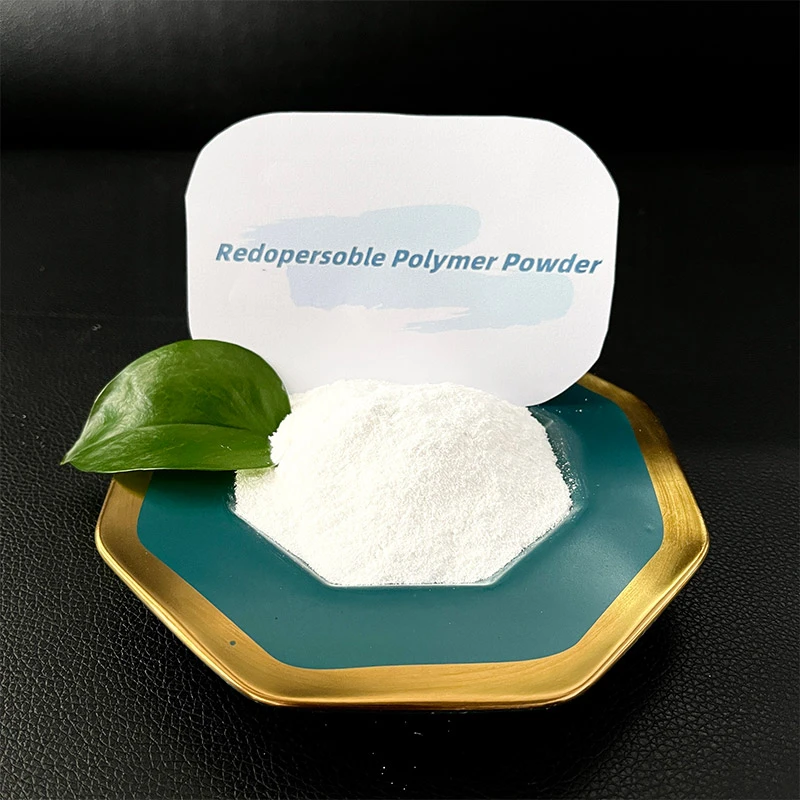
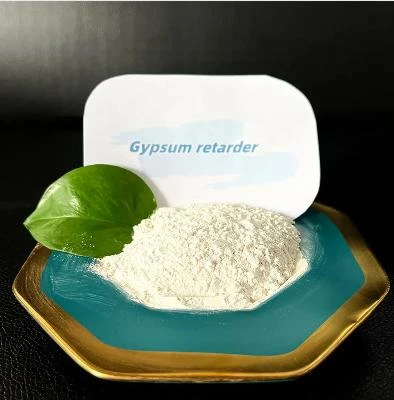
Understanding Gypsum-Based Chemical Additives Applications and Benefits Gypsum, a naturally occurring mineral composed of calcium sulfate dihydrate, has been used in construction and agriculture for centuries. However, its role extends beyond these traditional usages, particularly when combined with various chemical additives. This article delves into gypsum-based chemical additives, their applications, and the benefits they offer across different industries. What are Gypsum-Based Chemical Additives? Gypsum-based chemical additives are substances mixed with gypsum to enhance its performance and functionality. These additives can vary significantly in composition, including organic and inorganic compounds. The primary goal of these additives is to modify the properties of gypsum, making it more versatile and effective for specific applications. Some common additives include retarders, accelerators, and plasticizers. Applications in Construction In the construction industry, gypsum is a critical material used in the production of drywall, plaster, and other building materials. By incorporating chemical additives, manufacturers can improve the mechanical properties and setting times of gypsum products. 1. Retarders These additives slow down the setting time of gypsum, giving builders more time to work with the material before it hardens. This is particularly useful in large projects where extensive application is required. 2. Accelerators On the other hand, accelerators speed up the setting time of gypsum products. This feature is beneficial in situations where quick drying is needed, such as in repair work or time-sensitive projects. . Benefits in Agriculture гипс удаашруулагч химийн Gypsum-based chemical additives are not limited to construction; they also have significant applications in agriculture. Gypsum can improve soil structure, drainage, and aeration, while the addition of certain chemical agents can further enhance these effects. 1. Soil Amendment Gypsum helps to loosen compacted soil and improves water infiltration. When combined with organic matter or specific chemical additives, gypsum can significantly boost soil fertility. 2. Nutrient Management The addition of gypsum can help manage toxic levels of sodium in the soil, allowing crops to access essential nutrients more effectively. This is particularly beneficial in saline soil environments. 3. pH Regulation Some gypsum-based additives can help regulate soil pH, fostering an ideal environment for crops to thrive. This is essential for optimizing crop yield and quality. Environmental Impact and Sustainability In recent years, the emphasis on sustainable practices in both construction and agriculture has led to increased interest in gypsum-based chemical additives. These materials are environmentally friendly, as they are derived from natural sources and can enhance the sustainability of projects. For instance, the use of gypsum can help reduce waste in construction by allowing for the recycling of materials. In agriculture, gypsum can mitigate the adverse effects of soil salinity and improve the overall health of the ecosystem. Conclusion Gypsum-based chemical additives play a crucial role in enhancing the properties and functionality of gypsum in various applications. From improving construction materials to addressing agricultural challenges, these additives contribute to greater efficiency, effectiveness, and sustainability. As industries continue to seek innovative solutions to meet demands, the importance of gypsum and its chemical enhancements will undoubtedly grow. Understanding and leveraging these materials can pave the way for more sustainable practices, benefiting both the environment and economies worldwide. In conclusion, the diverse applications of gypsum-based chemical additives illustrate their significance in modern industries. Their ability to improve material performance while promoting sustainability showcases the potential for these natural minerals to address contemporary challenges. As research and development continue in this field, we can expect to uncover even more benefits, further solidifying gypsum’s role as a cornerstone material in construction and agriculture.
-
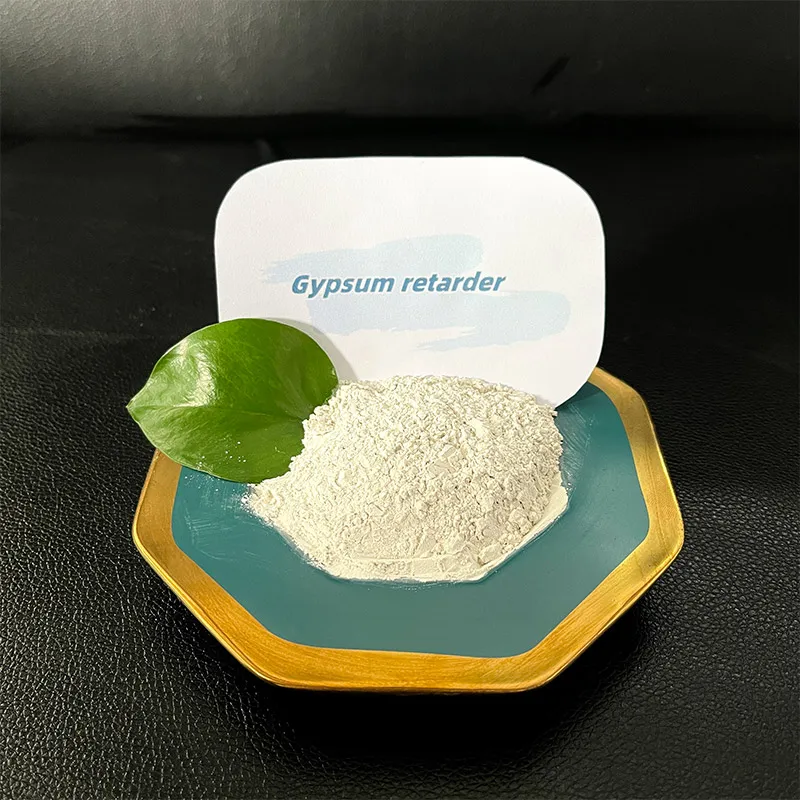
Navigating the ever-evolving landscape of recycled rubber powder pricing demands a nuanced understanding of the dynamic forces at play. Recycled rubber powder, a sustainable byproduct derived primarily from end-of-life tires, plays an integral role in various industries, including construction, automotive, and manufacturing, as they seek eco-friendly alternatives without compromising on functionality or quality. Expert insights suggest that the volatility in recycled rubber powder prices can be attributed to multiple factors. One major influence is the fluctuation in raw material availability, particularly given the finite nature of scrap tires. Market demand prominence equally dictates pricing trends. As industries increasingly adopt circular economy principles, the demand for recycled materials, including rubber powder, surges. This demand is often heightened by regulatory mandates pushing for reduced carbon footprints and sustainable resource usage, compelling manufacturers to incorporate recycled components into their supply chains. An additional layer of complexity in pricing comes from the technological advancements in the rubber recycling industry. The introduction of improved pulverizing techniques and more efficient devulcanization processes have enabled higher yield outputs, which may stabilize prices by increasing supply capabilities. However, upgrades and innovations often necessitate capital investment, which could temporarily affect pricing structures as companies recoup these expenditures. Analyzing the geographical variance in pricing, transportation logistics and regional industrial activities significantly influence costs. Regions with established recycling facilities benefit from reduced transportation expenses and a steady supply of scrap tires, which can result in more competitive pricing. Conversely, areas lacking proximity to these resources may face higher prices due to increased logistics costs and supply chain disruptions. recycled rubber powder price Case studies from manufacturers who have successfully integrated recycled rubber powder showcase both environmental and economic benefits. Companies report reduction in material costs by up to 20% when substituting virgin rubber with recycled alternatives, depending on the application. Moreover, these companies often leverage their use of recycled materials as a marketing tool, appealing to a growing consumer base prioritizing sustainability. This strategy not only differentiates their products in a competitive market but also fosters brand loyalty among environmentally-conscious buyers. Building trust in the quality and consistency of recycled rubber powder remains paramount . Certifications and quality assurances, such as those provided by ISO or REACH compliance, are crucial in establishing the credibility of these materials. Manufacturers and suppliers need to maintain transparency regarding the sourcing, processing, and quality control measures to reassure clients of the material's integrity. Industry forecasts predict that as technology and production methods continue to advance, recycled rubber powder will become an even more economical choice, thereby driving down prices in the long term. It is essential for companies to stay informed about these emerging trends and technological improvements to leverage cost benefits effectively. In conclusion, while the pricing of recycled rubber powder might appear complex, understanding the underlying factors provides clarity and foresight. By closely monitoring market demands, technological innovations, and regional influences, industry players can better anticipate pricing changes and optimize their strategies for both environmental and financial gains. Trust and transparency, supported by industry-recognized certifications, will continue to play a critical role in the widespread adoption and success of recycled rubber powder in various applications.
advantages
-

200000 Viscosities
Excellent product
We can produce pure products up to 200,000 viscosities
-

40000 tons
High yield
We don’t stop production all year round, and the annual output can reach 40,000 tons
-

24 hours
Quality service
We provide 24-hours online reception service, welcome to consult at any time
———— Inquiry Form
Schedule A services
-
 hpmc_k15m
Oct . 25, 2025
Hydroxypropyl methylcellulose (HPMC) is a versatile polymer extensively used across various industri -
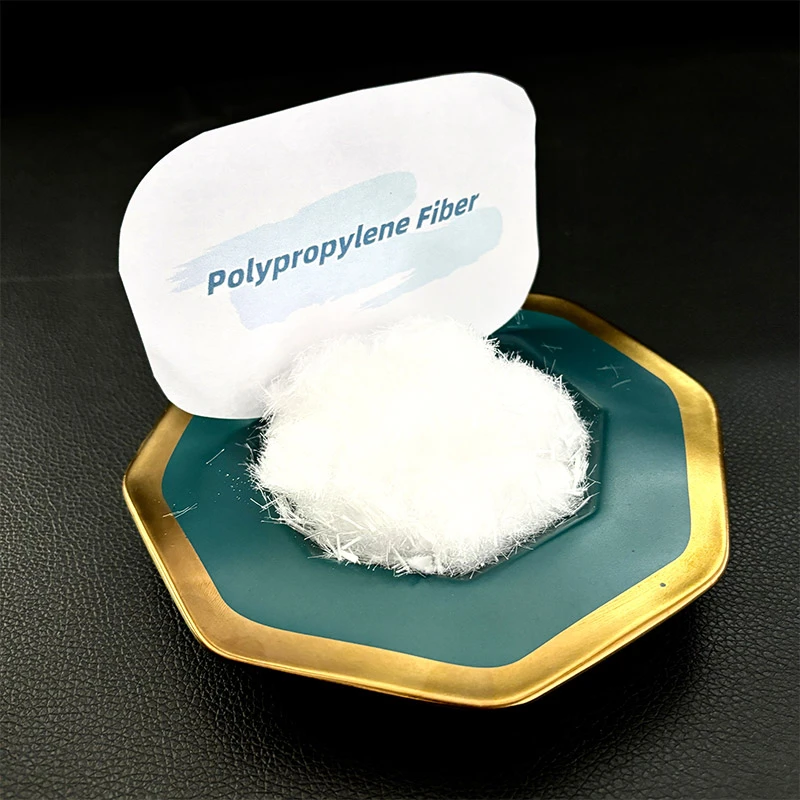
 pp_fiber_price
Oct . 25, 2025
Rubber powder, often identified by its industry code as Rubber Powder-821, is garnering attention fo - retaine_hpmc
Oct . 25, 2025
In the realm of construction and building materials, one innovative component is making waves for it


